Mobile Systems
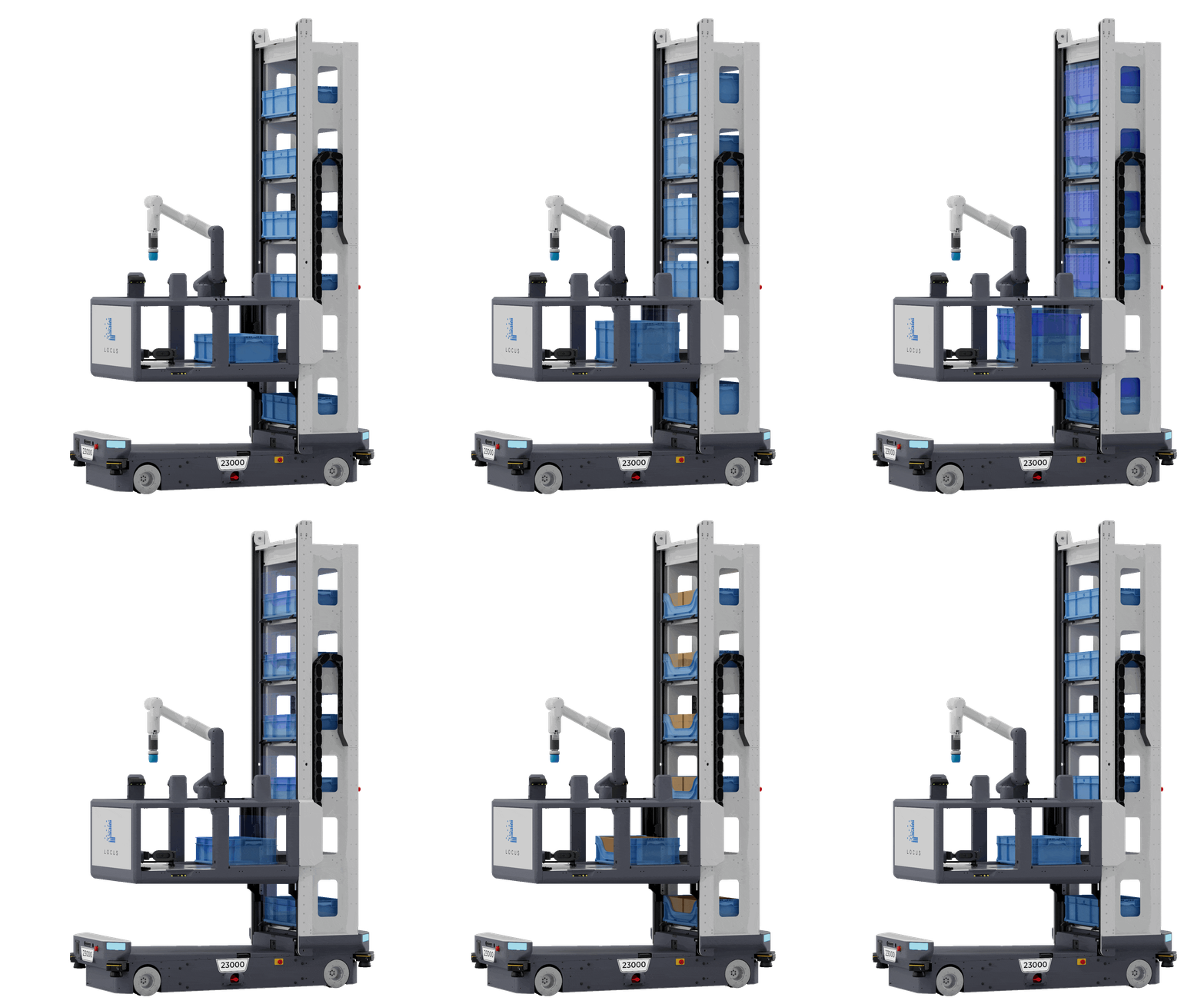
Locus Array makes arrival only the first part of a robot’s job
The April launch combines aisle navigation and picking, changing what successful mobile autonomy has to prove.
The September launch connects new arms, sensing, and software to the practical problem of deploying learned robot behavior.
Read the analysis ↗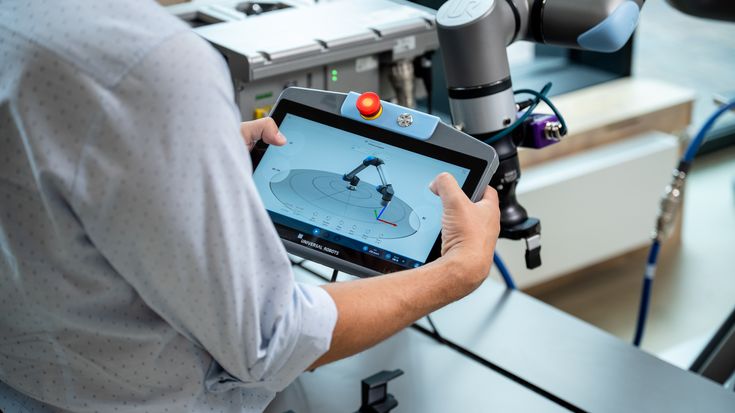
The April launch combines aisle navigation and picking, changing what successful mobile autonomy has to prove.
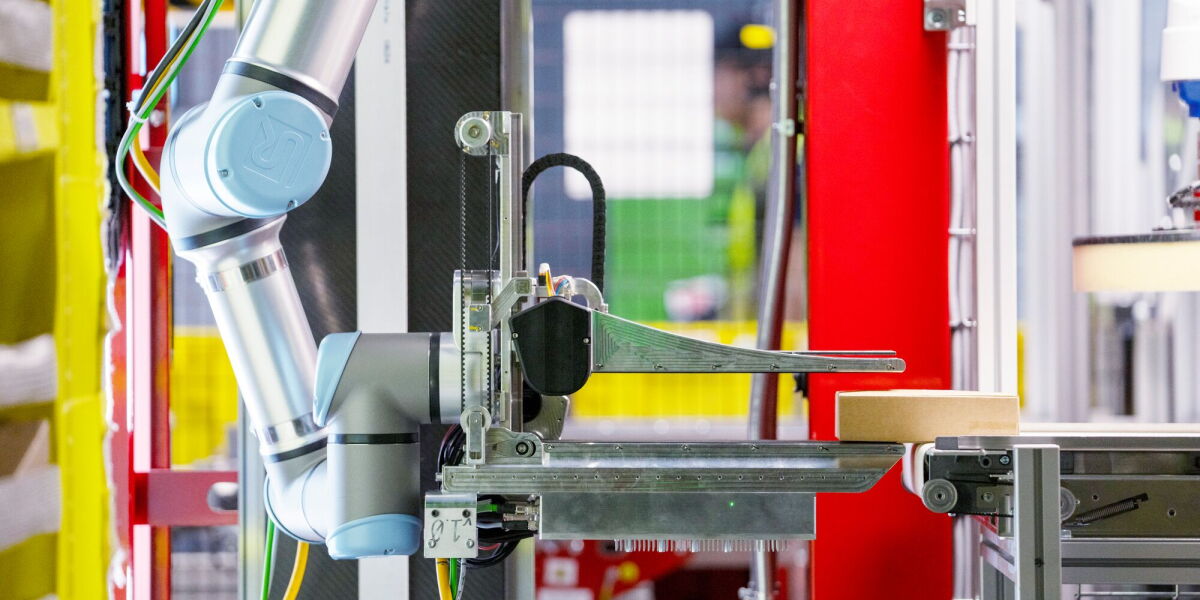
The warehouse robot uses force feedback to work inside crowded inventory pods, exposing why visual recognition alone is not manipulation.
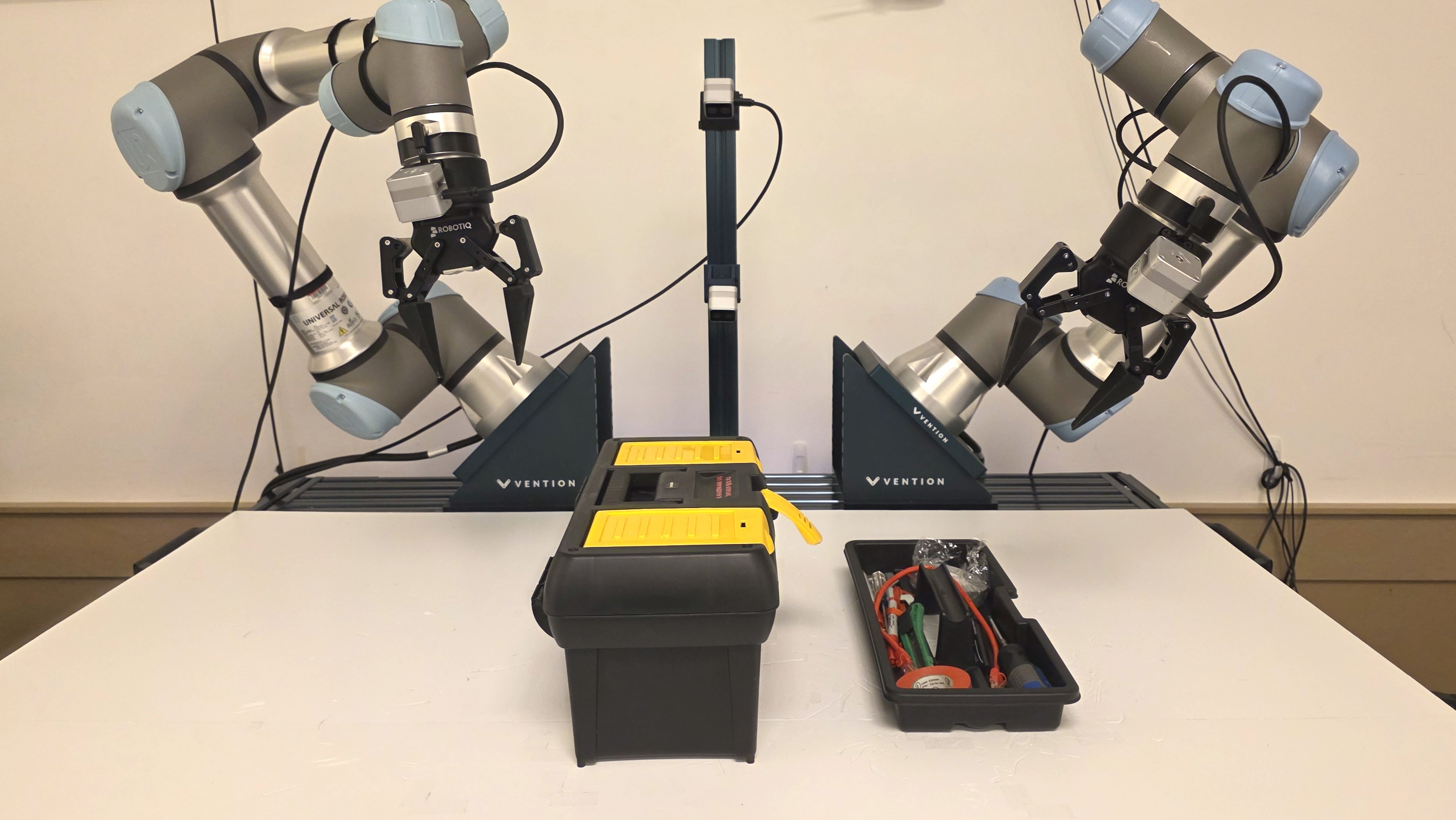
The September research release separates broad pretraining, embodiment adaptation, and task learning.
Flexible workcells and productive factory autonomy.
The September launch connects new arms, sensing, and software to the practical problem of deploying learned robot behavior.
Gen 7’s sensing connections and ABB’s vision integration show why the edge of the robot is as important as the model behind it.
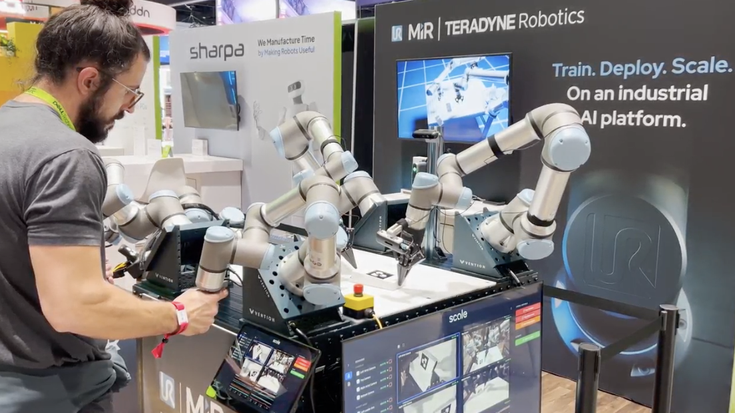
The AI Trainer demonstration and Gen 7 platform reveal two different pieces of the lab-to-factory transition.
Navigation, shared spaces, and coordinated fleets.
The April launch combines aisle navigation and picking, changing what successful mobile autonomy has to prove.
Locus Array brings task execution into the aisle, where uncertainty must be resolved without disrupting the surrounding operation.
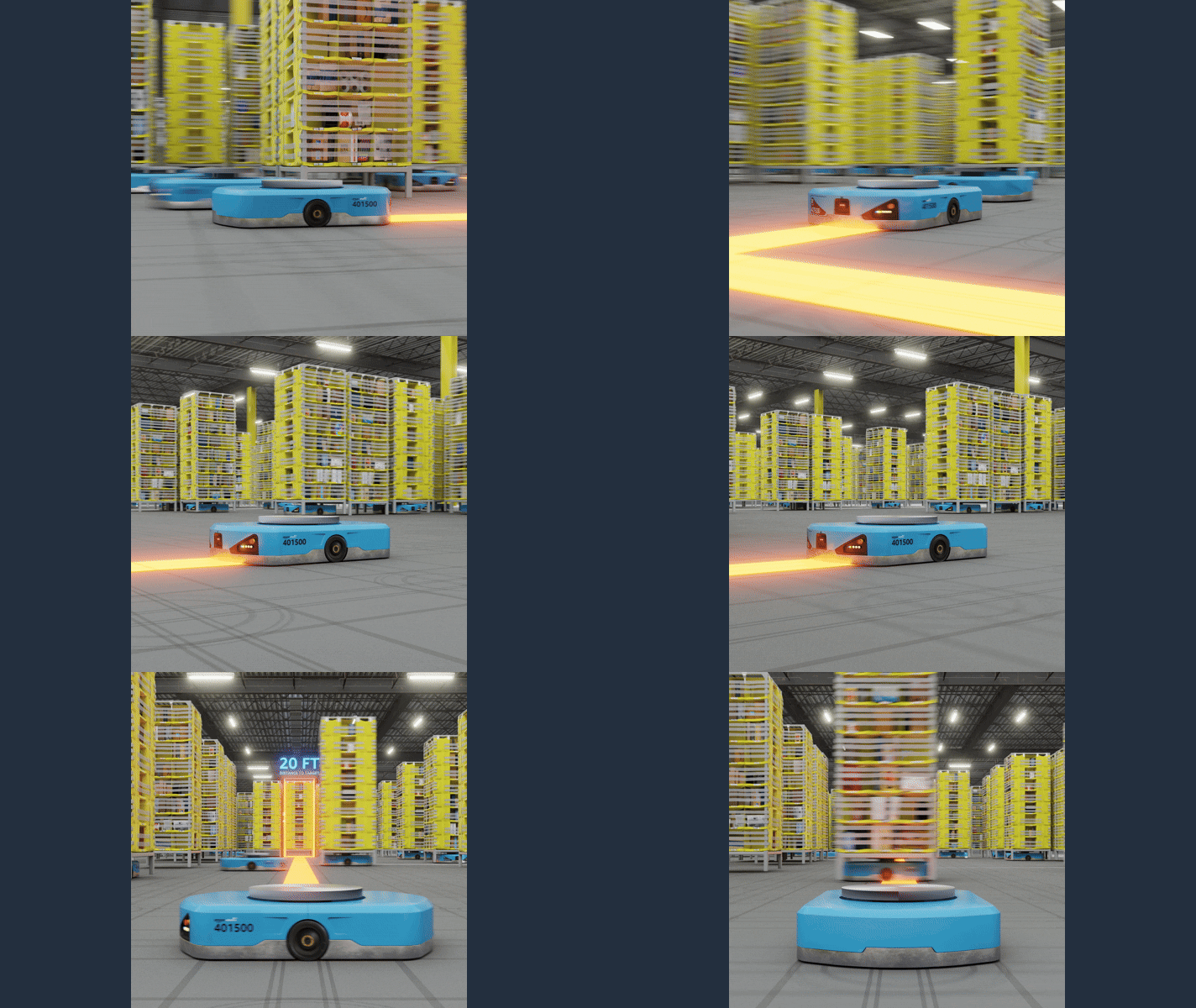
Fleet coordination and Locus’s mixed-system approach move the autonomy question from individual routes to shared throughput.
Grasping, contact, and useful physical work.
The warehouse robot uses force feedback to work inside crowded inventory pods, exposing why visual recognition alone is not manipulation.
Universal Robots’ AI Trainer demonstration makes coordinated manipulation a concrete industrial learning problem.
Amazon’s tactile training and industrial imitation systems show why physical experience matters when the ideal grasp fails.
Demonstrations, shared data, and adaptable policies.
The September research release separates broad pretraining, embodiment adaptation, and task learning.
Microsoft’s latest manipulation research studies a small adaptive component while retaining a frozen action expert.
Rho and pi0.5 show why released checkpoints are valuable foundations rather than complete industrial applications.
Reliability, intervention, and the full operating cycle.
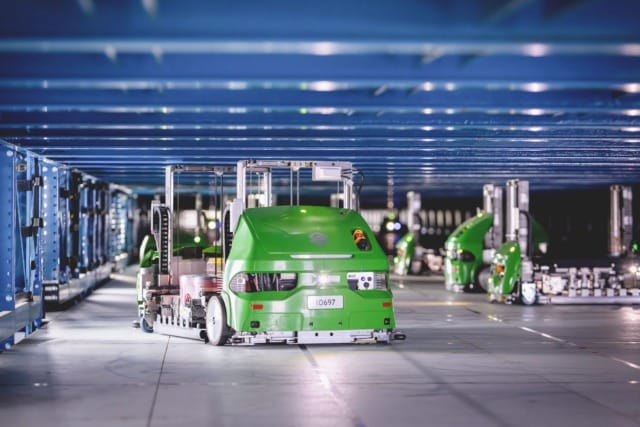
The July deal expands the company’s ambition from automated movement to the coordination of equipment, maintenance, and people.
Symbotic’s software expansion and ABB’s new operator interface show how deployment depends on coordinated change across layers.
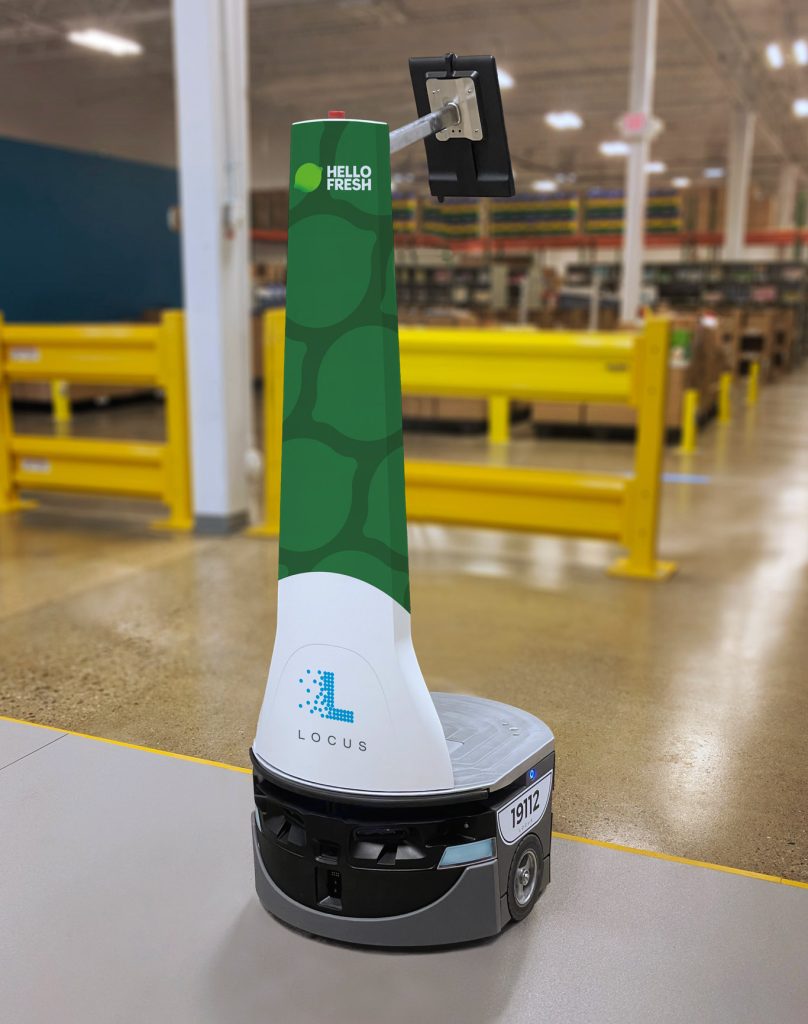
Locus’s reported expansion depended on charging, temperature, and the movement of orders through a complete workflow.